

How To Cut Down On Nicotine
By Guy Hurley
Apr 30, 2026

Cutting down on nicotine is a significant step towards better health. It can be challenging, but the benefits are worth it. Reducing nicotine intake can improve your quality of life while helping you move towards a healthier lifestyle.
For many adult smokers and vapers, switching to lower nicotine strengths over time can be a practical way to gradually reduce nicotine dependence. Whether you're looking to quit smoking completely or simply lower your nicotine intake, this guide can help.
Understanding nicotine habits is an important part of making informed choices. With the right approach, nicotine reduction can feel far more manageable. Let’s explore the journey to a lower-nicotine lifestyle together.
Understanding Nicotine Dependence
Nicotine dependence is both physical and psychological. Understanding how nicotine affects the body can help you make informed decisions when reducing your intake.
Nicotine interacts with the brain’s reward system, releasing dopamine and creating temporary feelings of satisfaction. Over time, your body can begin to rely on nicotine, making cravings and withdrawal symptoms more noticeable when you cut back.
Key aspects of nicotine dependence include:
- Changes to brain chemistry
- Nicotine cravings and withdrawal symptoms
- Habit-based or psychological dependence
Recognising these factors is the first step towards successfully reducing nicotine intake. With the right support and strategy, many people are able to gradually lower their nicotine levels over time.
Why Cut Down on Nicotine?
Reducing nicotine intake can provide a range of health and lifestyle benefits. Many people notice improvements in breathing, energy levels, and overall wellbeing after lowering their nicotine consumption.
Cutting down may also help reduce dependence and support long-term smoking cessation goals. For adult smokers who have switched to vaping, choosing lower nicotine e-liquids can be a useful step in the transition away from cigarettes.
Some potential benefits include:
- Improved overall wellbeing
- Reduced nicotine dependence
- Better sense of taste and smell
- Potential financial savings
Every small reduction can be a positive step towards a healthier lifestyle.
Preparing to Reduce Nicotine Intake
Preparation can make nicotine reduction more achievable. Setting realistic goals and understanding your current habits will help you build a plan that works for you.
It can help to identify situations where nicotine cravings are strongest. Keeping track of when you smoke or vape may help you spot patterns and triggers.
Useful preparation steps include:
- Setting a realistic reduction goal
- Identifying cravings and triggers
- Choosing suitable nicotine strengths
- Seeking support from friends, family, or professionals
Taking a gradual approach often feels more manageable and sustainable for many adult nicotine users.
Gradual Nicotine Reduction Strategies
Reducing nicotine gradually is a popular approach because it allows your body time to adjust. Many vapers choose to slowly lower the nicotine strength of their e-liquids over time.
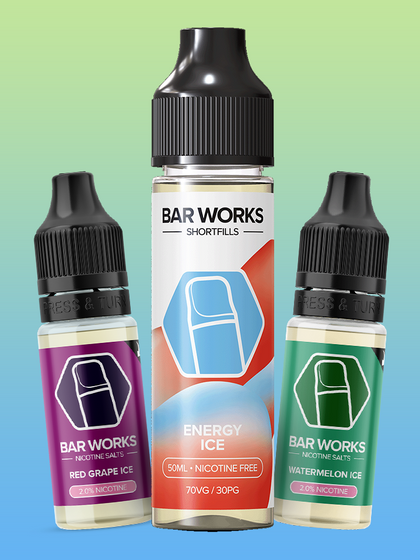
For example, someone using a 20mg nicotine salt may choose to move to 10mg before eventually trying lower strengths such as 5mg or nicotine-free options.
Other useful reduction methods include:
- Increasing the time between vaping or smoking sessions
- Using lower nicotine e-liquids
- Reducing overall daily nicotine consumption
- Switching from smoking to vaping as part of a harm reduction approach
Making gradual changes can help reduce cravings while supporting long-term progress.
Vaping and Tobacco Harm Reduction
Many adult smokers use vaping products as part of a tobacco harm reduction strategy. While vaping is not risk-free, UK health organisations have stated that vaping is significantly less harmful than smoking cigarettes.
Vape kits and nicotine e-liquids allow users to control their nicotine strength more easily, making gradual reduction possible over time.
Popular nicotine alternatives include:
- Nicotine salt e-liquids
- Freebase nicotine e-liquids
- Disposable vapes
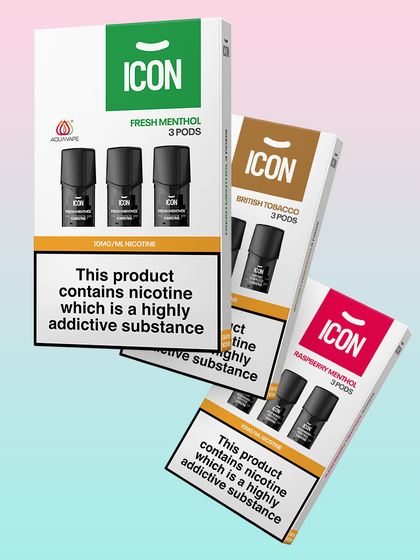
- Refillable vape kits
Choosing the right device and nicotine strength can make the transition away from smoking more comfortable for adult users.
Managing Cravings and Triggers
Cravings are a common part of reducing nicotine intake. Stress, social situations, or daily routines can all act as triggers.
Understanding your triggers allows you to develop healthier habits and coping strategies. Some people find that staying busy or changing routines can help reduce cravings.
Common nicotine triggers include:
- Stressful situations
- Social environments
- Alcohol or caffeine
- Habitual routines
Simple strategies such as exercise, chewing gum, or taking short walks may help distract from cravings and support your reduction goals.
Lifestyle Changes That Can Help
Healthy lifestyle changes can support nicotine reduction efforts. Looking after your physical and mental wellbeing may make the process feel easier.
Helpful lifestyle habits include:
- Regular exercise
- Staying hydrated
- Eating a balanced diet
- Getting enough sleep
These habits can support your body as it adjusts to lower nicotine levels.
Tracking Your Progress
Monitoring your progress can help you stay motivated. Tracking reductions in nicotine strength or daily usage allows you to see how far you’ve come.
You may find it useful to use:
- Notes or journals
- Habit tracking apps
- Nicotine reduction goals
Celebrating small milestones can help reinforce positive habits and keep you focused on your long-term goals.
When to Seek Professional Advice
If reducing nicotine becomes difficult, professional support may help. Healthcare professionals and stop smoking services can provide personalised advice and guidance.
You may want to seek additional support if you experience:
- Strong or persistent cravings
- Frequent relapses
- Difficulty managing withdrawal symptoms
Getting support is a positive step and can improve your chances of long-term success.
Conclusion
Reducing nicotine intake is a personal journey, and every step forward matters. Whether you’re switching from smoking to vaping or gradually lowering your nicotine strength, small changes can lead to meaningful progress over time.
By choosing the right approach and staying consistent, you can work towards a lower-nicotine lifestyle at your own pace.
Leave a comment