What Happens Inside A Vape Coil?
By Guy Hurley
Jun 26, 2026

Vape coils transform e-liquid into the vapor that vapers enjoy. But what really happens inside a vape coil?
Understanding the coil's function is key to enhancing your vaping experience. The coil's design and material play a crucial role in vapor production.
Different coil types offer unique benefits, affecting flavour and vapor output. The anatomy of a vape coil includes the wire, wick, and housing. Each component contributes to the overall performance.
In this article, we'll explore the inner workings of vape coils. Discover how coil structure and material impact your vaping satisfaction.
Understanding the Vape Coil: The Heart of Your Device
Vape coils are fundamental to any vaping kit device. They play a pivotal role in converting e-liquid into vapor. Without the coil, vaping devices would merely be empty shells.
At the core of the coil's function is its ability to heat. When activated, electricity flows through the coil wire. This causes the wire to heat up, leading to vaporisation.
The coil can be considered the heart of your vaping device for several reasons:
- It drives the vaporisation process.
- It impacts flavour and cloud production.
- It determines the overall vaping experience.
Vape coils come in different shapes and sizes, each with specific purposes. Some focus on flavour intensity, while others emphasize cloud production. Understanding the different aspects of coil design helps in tailoring the vaping experience to personal preferences.
Recognising the importance of the coil in your kit is crucial. It aids in choosing the right components to match your desired outcomes. This knowledge enriches the overall enjoyment of vaping.
Vape Coil Anatomy: Breaking Down the Structure
At the heart lies the coil wire, acting as the heating element. This wire is crucial for vaporising the e-liquid efficiently.
Wrapped around or near this wire, you'll often find wicking material. Usually made of cotton, the wick absorbs e-liquid and feeds it to the wire. Without it, the coil would fail to produce vapor.
The coil is housed within a casing or coil head. This structure ensures stability and proper alignment within the vaping device. It protects and supports the coil and wick arrangement.
Understanding these components is critical. Here's a breakdown:
- Coil Wire: Heats to vaporize e-liquid.
- Wick: Absorbs e-liquid and supplies it to the coil.
- Coil Head: Encases the coil and wick assembly.
Each of these components works together in harmony. Their interaction determines how well a coil performs and its vapor output.
How a Vape Coil Works: The Science of vaporisation
Understanding how a vape coil works involves grasping the basics of vaporisation. At its core, the coil's function is to transform e-liquid into inhalable vapor. This process begins when the vape device is activated.
Electricity flows through the coil wire, generating heat swiftly. This heat is applied to the e-liquid soaked in the wick. As the temperature rises, the e-liquid reaches its boiling point.
At this point, the transformation occurs. The liquid turns into vapor, ready for inhalation. This is the cycle every time you take a puff from your device.
Several factors influence this vaporisation process. Key elements include:
- Coil Material: Different metals heat differently.
- Wick Saturation: Proper e-liquid saturation is crucial.
- Coil Resistance: Affects the heat and vapor produced.
These factors contribute to the efficiency and output of the coil. High-quality vapor depends on each component performing optimally. Therefore, precision in coil setup is important.
By understanding the science behind vaporisation, users can enhance their vaping experience. It enables better control over flavour and vapor production. Mastering these elements unlocks the potential of your vaping device.
Types of Vape Coils and Their Functions
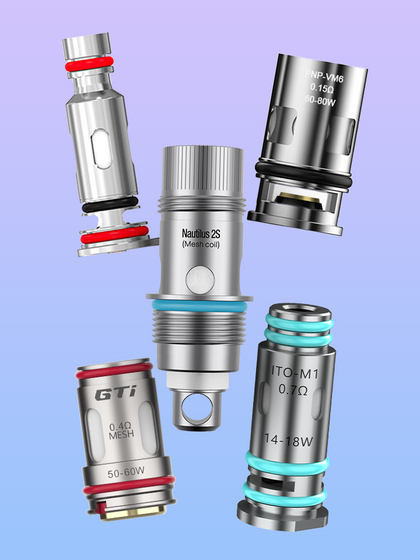
Vape coils come in a variety of types, each offering unique advantages. Understanding the different vape coil types helps users tailor their vaping experience.
Single Coil: This is the simplest form of coil. It uses one coil wire and focuses on flavour. It consumes less battery compared to other types.
Dual Coil: These coils have two heating elements. They provide more vapor production and stronger hits, appealing to cloud chasers.
Triple and Quadruple Coils: As the names suggest, these have even more coils. They offer intense vapor, enhancing the vaping experience further.
Mesh Coils: Popular for their efficient heating and flavour delivery. They have a large surface area that promotes even heat distribution.
Ceramic Coils: Known for longevity and better taste. Their design helps them last longer than regular coils.
Here's a quick breakdown of the major coil types:
- Single Coil: More flavour, less battery usage.
- Dual Coil: Greater vapor, strong hits.
- Mesh Coil: Even heat, superior flavour.
- Ceramic Coil: Durable, crisp taste.
Choosing the right coil impacts vapor quality and battery life. Each coil design affects how heat is applied to the e-liquid. As preferences vary, so does the coil choice. By exploring different coil types, vapers can find what best suits their style.
Coil Materials: What Are Vape Coils Made Of?
The choice of coil material significantly affects the vaping experience. Various materials are used, each with unique properties.
Kanthal is the most common material for vape coils. It's known for its durability and ease of use, making it a popular choice for beginners.
Stainless Steel offers versatility. It can be used in both wattage and temperature control modes. This flexibility appeals to many vapers.
Nickel (Ni200) is specialized for temperature control. It heats quickly but can't be used in regular wattage mode due to its low resistance.
Titanium is also used for temperature control. It provides a smooth vaping experience but needs careful monitoring due to safety concerns at high temperatures.
Here’s a rundown of typical coil materials:
- Kanthal: Durable and easy to use.
- Stainless Steel: Versatile for different modes.
- Nickel: Suited for temperature control.
- Titanium: Offers smooth hits with caution.
Each material impacts the flavour, cloud production, and overall performance of a vape kits. Selecting the right material can enhance both safety and satisfaction. Understanding these differences allows vapers to make an informed choice, optimizing their vaping sessions.
Coil Resistance and Its Impact on Vaping
Coil resistance plays a crucial role in vaping performance. It's measured in ohms, indicating how much current the coil can carry.
Lower resistance coils, or sub ohm coils, often have values below 1 ohm. These coils are preferred by cloud chasers because they produce more vapor. This results in larger, denser clouds for an enjoyable experience.
In contrast, higher resistance coils require less power, making them ideal for mouth-to-lung vaping. They offer a more controlled, satisfying throat hit with enhanced flavour.
Key resistance types affect vaping as follows:
- Sub-ohm Coils: Produce more vapor, suitable for direct-to-lung hits.
- High-Resistance Coils: Ideal for flavour, with a mouth-to-lung style.
Selecting the right coil resistance is essential for achieving the desired balance between vapor production, flavour intensity, and throat hit. This knowledge allows vapers to customize their experience, aligning it with their personal preferences.
The Role of E-Liquid in Coil Performance
E-liquid is vital for effective coil operation. It interacts with the coil to generate vapor, influencing flavour and cloud size. Choosing the right e-liquid significantly impacts the vaping experience.
The VG/PG ratio in e-liquid is crucial. High VG liquids are thicker and better for sub ohm coils, enhancing vapor production. Conversely, high PG liquids work well with standard coils, offering stronger flavour and throat hit.
Proper selection and use of e-liquid can optimize coil performance:
- High VG: Dense vapor, suitable for low-resistance coils.
- High PG: Intense flavour, great for high-resistance coils.
Ultimately, understanding the relationship between e-liquid and coils helps users tailor their vaping experience, ensuring efficient coil function and satisfaction.
Coil Maintenance: Maximizing Performance and Longevity
Proper coil maintenance ensures a consistent and enjoyable vaping experience. Neglecting coils can lead to reduced performance and unwanted flavours. With simple care, you can extend your coil's lifespan and enhance your kit's efficiency.
Regular cleaning is essential to maintain coil performance. Gunk build-up from e-liquid can affect flavour and vapor production. Depending on usage, clean coils weekly or bi-weekly to prevent residue accumulation.
To maximize coil longevity, follow these tips:
- Prime New Coils: Saturate with e-liquid before use.
- Avoid High Wattage: Prevent overheating and wear.
- Monitor E-liquid Levels: Avoid dry hits that damage coils.
By adhering to these maintenance practices, you ensure optimal coil functionality and prolong their usability, contributing to a superior vaping experience.
Leave a comment