Why Does Vaping Make Me Cough?
By Guy Hurley
May 18, 2026

Vaping is often seen as a less harmful alternative to smoking. Yet, many vapers experience an unexpected side effect: coughing. This can be frustrating and uncomfortable.
Understanding why vaping makes you cough is crucial. It can help you enjoy a smoother experience.
Several factors contribute to this issue. Ingredients in e-liquids, nicotine levels, and inhalation techniques all play a role.
New vapers might find themselves coughing as their bodies adjust. Even seasoned vapers can experience irritation from time to time.
This article will explore the reasons behind vape cough. We’ll also provide practical tips to help reduce or eliminate it.
Why Does Vaping Make You Cough? Common Causes Explained
Coughing when vaping is a common issue faced by many. Understanding its causes can help address this discomfort. Multiple elements contribute to vape-induced coughing.
First, e-liquids contain propylene glycol (PG). PG is known to be an irritant and can dry out the throat. This dryness often leads to coughing, especially in new vapers.
High nicotine levels in vape juice can also cause throat irritation. Nicotine's "throat hit" can be harsh, inducing a cough in sensitive users.
Inhaling techniques also play a crucial role. Inhaling too quickly or too deeply can irritate the throat. New vapers often use incorrect methods, leading to coughing.
Common causes include:
- Propylene glycol's drying effect
- High nicotine content in e-liquids
- Incorrect inhalation techniques
Transitioning from smoking to vaping might exacerbate coughing. Initially, the body is adjusting to a different sensation and substance intake.
Finally, dehydration from vaping can increase coughing bouts. Staying hydrated is key to reducing irritation and a dry throat. Identifying specific causes will guide solutions that align with personal vaping habits.
The Role of E-Liquid Ingredients in Vape Cough
e-liquids are not as simple as they seem. They contain various ingredients that can influence your vaping experience. One primary ingredient is propylene glycol (PG), a common cause of irritation.
PG is a humectant, meaning it can draw moisture from your mouth and throat. This loss of moisture often results in a dry cough. Those sensitive to PG might experience increased throat irritation.
Vegetable glycerin (VG) is another e-liquid component. While VG is generally gentler, some people may find it creates a different kind of irritation. Balancing PG and VG ratios can mitigate coughing symptoms.
Flavourings add complexity to e-liquids, but they can also irritate. Some flavours cause more throat scratchiness than others. Pinpointing these flavours can help avoid unwanted reactions.
Nicotine itself can be an irritant. High levels may lead to a harsher throat hit, causing a cough. Testing various nicotine strengths can help achieve a smoother vaping experience.
Factors influencing vape cough due to ingredients:
- Propylene glycol sensitivity
- VG and PG ratio imbalance
- Irritating flavour profiles
- High nicotine content
Each component plays a role in vape cough. Understanding these ingredients allows you to make informed choices that suit your preferences.
Nicotine Strength, Throat Hit, and Coughing
Nicotine content significantly impacts your vaping experience. High nicotine levels can produce a harsher throat hit. This sensation often leads to coughing, especially for new vapers.
Lowering nicotine strength might reduce irritation. It's an effective way to achieve a smoother hit. Many vapers start with high nicotine and adjust downwards over time.
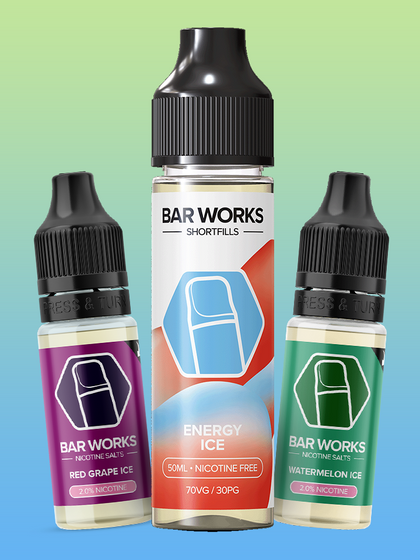
Freebase nicotine is often harsher than nicotine salts. Nicotine salts provide a smoother experience. They deliver nicotine more gently, minimizing throat irritation.
Different vape devices interact with nicotine strength uniquely. Sub-ohm devices often vaporize more e-liquid, increasing nicotine intake per puff. Using a device with too much nicotine can result in coughing spells.
To minimize coughing due to nicotine, consider these adjustments:
- Experiment with various nicotine strengths.
- Switch from freebase nicotine to nicotine salts.
- Monitor device power settings to control nicotine dosage.
By understanding nicotine's role, you can tailor your vaping for comfort and enjoyment.
Inhalation Technique: How You Vape Matters
Your inhalation technique can greatly influence your vaping experience. Incorrect methods often result in coughing and irritation. Understanding how to inhale is crucial to reducing these symptoms.
There are two main inhalation methods: mouth-to-lung (MTL) and direct-to-lung (DTL). MTL mimics cigarette smoking. You draw vapor into your mouth first, then inhale it into your lungs. This method is often gentler and recommended for beginners.
DTL involves inhaling directly into the lungs. It produces larger clouds but can be harsh. New vapers often struggle with this technique, leading to coughing.
Incorrect or forceful inhalation can cause sudden throat irritation. Take slow, measured puffs to give your throat time to adjust. The size and force of your draw also affect irritation levels.
Consider these tips for improving your inhalation technique:
- Start with the MTL method if you're new to vaping.
- Practice gentle, consistent draws.
- Experiment with both techniques to find your comfort zone.
Proper inhalation can make a big difference, offering a smoother, more enjoyable vaping journey.
Device Type, Settings, and Vape Irritation
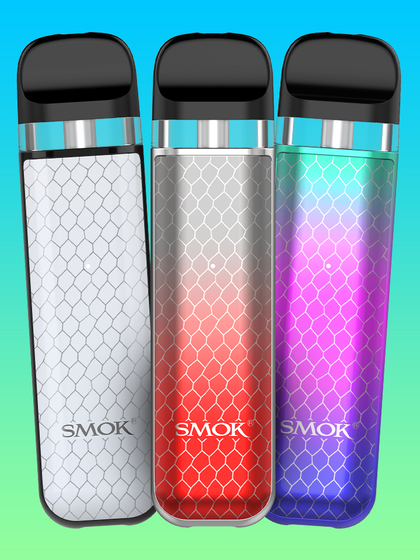
The type of vape kit you use can significantly impact your experience. Different devices have unique features affecting how vapor is produced and delivered.
High wattage settings might offer bigger clouds, but they can cause throat irritation. Lowering the wattage might reduce the harshness and potential for coughing. It's crucial to experiment with settings to find what suits your throat best.
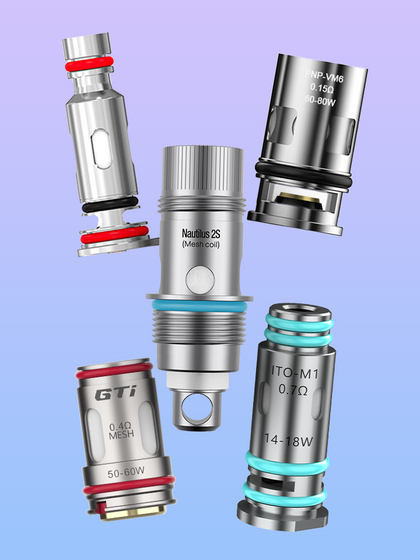
Coil resistance also plays a role in your vaping experience. Coils with higher resistance tend to produce cooler vapor. This can be more comfortable for those prone to irritation.
The airflow settings of your device can affect throat hits. More airflow may smoothen the hit, while restricted airflow might intensify it. Adjust according to your comfort level.
Consider the following suggestions to reduce irritation from device settings:
- Start with lower wattage and gradually increase.
- Use higher resistance coils for cooler vapor.
- Adjust airflow settings for the desired throat hit.
Choosing the right device and settings can create a smoother and more enjoyable vaping experience.
Dehydration and Dry Cough from Vaping
Vaping can lead to dehydration, which might contribute to a dry cough. Both propylene glycol (PG) and nicotine in e-liquids can have drying effects. This dryness can irritate your throat, prompting a cough.
It's important to maintain proper hydration, especially if you notice throat dryness from vaping. Keeping hydrated helps counter the dehydrating effects of vaping, reducing throat irritation.
Regular water intake can support overall hydration. It's a simple solution to mitigate some vaping symptoms. Additionally, take note of how your body reacts and adjust your vaping routine if needed.
Consider these tips to manage dehydration from vaping:
- Increase your daily water consumption.
- Monitor your throat's response to vaping.
- Use higher vegetable glycerin (VG) e-liquids, which may be less drying.
Transitioning from Smoking to Vaping: What to Expect
Switching from smoking to vaping can involve an initial adjustment phase. Coughing is common during this transition, as your lungs adapt to new substances.
This coughing might result from your body clearing out toxins accumulated from smoking. It's often a temporary side effect.
Be aware that the following may occur as you transition:
- Increased coughing as the body adjusts.
- A temporary uptick in mucus production.
- Changes in taste sensation as your palate adjusts.
Understanding these changes can help ease concerns and ensure a smoother shift to vaping. Patience is key as your body adapts to this new habit.
Sensitivities, Allergies, and Other Vaping Symptoms
Some people may experience sensitivities to certain vape juice ingredients. These can cause unexpected side effects like coughing or irritation. Allergies can develop to components such as propylene glycol (PG) or specific flavourings.
Recognizing these symptoms is vital for a comfortable vaping experience:
- Persistent throat irritation.
- Wheezing or tightness in the chest.
- Skin rashes or nasal congestion.
If any of these symptoms appear, consider altering your e-liquid choice. Opting for juices with higher vegetable glycerin (VG) content or different flavour profiles can help. Listening to your body is essential to mitigating these issues.
How to Get Rid of Dry Cough from Vaping: Practical Tips
If you’re experiencing a dry cough from vaping, there are several strategies you can employ. Start by staying hydrated; drinking water can alleviate dryness caused by vaping. Incorporating this habit into your routine is simple yet effective.
Next, consider adjusting the nicotine strength in your e-liquid. Higher nicotine levels can irritate your throat, leading to coughing. Switching to a lower nicotine level might resolve this issue.
Examine your inhalation technique. Vaping is distinct from smoking, requiring a gentler, controlled approach. Switching from a direct-to-lung to a mouth-to-lung method can decrease throat irritation.
Here are some practical tips:
- Use a mouth-to-lung inhalation technique.
- Try e-liquids with higher VG content.
- Lower the power setting on your device.
- Experiment with different flavours to find one that irritates less.
Additionally, ensure your vape device is well-maintained. Regularly clean and change the coil to avoid burnt hits. Consistent maintenance can significantly reduce potential for cough.
Lastly, give your body time to adjust. New vapers often experience coughing initially. With patience and these tips, your vaping experience should improve.
When to Seek Medical Advice
If your cough from vaping persists despite making adjustments, it's important to consult a healthcare professional. Persistent coughing can indicate a more serious underlying condition that needs attention.
Consider seeking medical advice if you experience:
- Continuous or worsening cough.
- Breathing difficulties or chest pain.
- Any unusual symptoms alongside the cough.
Doctors can help identify whether vaping is the cause or if another issue is involved, ensuring you receive the appropriate care.
Conclusion: Finding a Comfortable Vaping Experience
Finding a comfortable vaping experience can be a journey of adjustments and trials. Understanding the nuances of your device, e-liquid, and method can drastically enhance your vaping comfort.
Remember, small tweaks can lead to significant changes in how your body responds. Evaluate your nicotine strength, e-liquid components, and even the wattage settings on your vape device.
By addressing the factors contributing to a vaping cough, you’re more likely to enjoy a smoother, more pleasant experience. Keeping informed and flexible ensures vaping remains enjoyable and less irritating.
Leave a comment