Why Is My Vape Leaking?
By Guy Hurley
May 18, 2026

Vape leaking is a common issue many users experience, and it can be both messy and inconvenient. This guide will help you understand how to identify the source of the problem and how to resolve it effectively. We’ll also cover practical steps you can take to prevent leaks and keep your device performing properly.
Why Is My Vape Leaking? Understanding the Basics
Vapes often leak due to mismanagement or mechanical issues. Identifying the exact cause can be tricky but essential for resolving the problem.
Several factors can contribute to a leaking vape. Understanding each one will help in pinpointing the issue.
Here are some common reasons why your vape might leak:
- Overfilled tanks or pods.
- Worn-out O-rings or seals.
- Incorrect installation of coils.
- Using an unsuitable e-liquid.
- Changes in temperature or pressure.
Recognise these factors can be crucial for addressing the problem effectively. Each cause requires a specific approach to fix it.
Whether you're a beginner or a seasoned vaper, learning why leaks occur can improve your vaping experience. These things do happen, but by following a few simple steps you can enjoy a more reliable, efficient vape. Ultimately, that’s what we all want from our vape kits, pods, and e-liquids.
Overfilling the Tank or Pod
Overfilling your vape tank or pod can lead to frustrating leaks. This common mistake occurs when users add more juice than necessary.
Excess vape juice seeks an escape, often leaking out unexpectedly. The vape kit is designed to hold a specific amount of vape liquid, leaving no room for extra liquid.
To avoid this, fill only up to the recommended level. Check your device's instructions for the maximum fill line.
Damaged or Worn-Out O-Rings and Seals
O-rings and seals are small yet vital components. They ensure the device stays airtight. Over time, these seals can become damaged or worn out, leading to leaks.
Regular checks for wear and tear are recommended. Replacing these components when needed can prevent leak issues.
Signs of wear include visible cracks, stretching, or hardening. Replacements are often affordable and easily available.
Incorrect Coil Installation or Faulty Coils
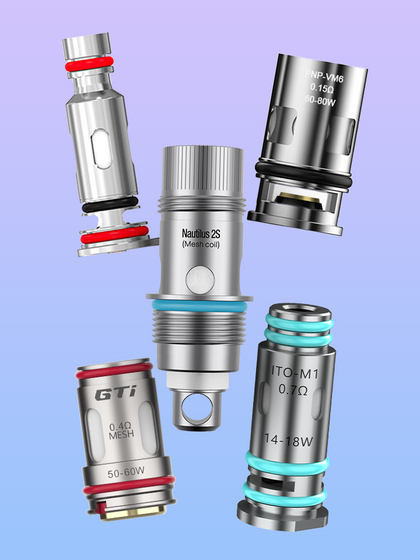
Coils must be correctly installed to function properly. Incorrect installation can cause spaces for vape juice to escape.
Faulty coils often fail to vaporise e-liquid efficiently. This results in excess liquid collecting and leaking from the tank.
Checking your coil's seating and ensuring it's screwed in tightly is crucial. Follow this with regular replacement of worn-out coils. Most pods now come with preinstalled coils, so this step is often unnecessary. However, if you use refillable pods with replaceable coils, it’s important to watch out for this.
Using the Wrong E-Liquid
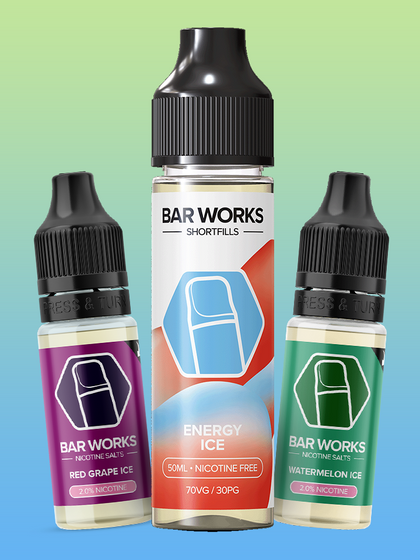
Choosing the wrong e-liquid can impact your vape kit’s performance. Each device is designed for specific e-liquid types and ratios.
Most kit descriptions will specify what kind of vape it is, such as MTL, DTL, or RDTL, and sometimes whether it’s suitable for mixed use. This helps guide you on the best wattage settings and the most suitable e-liquid to use for optimal performance.
For more information on different vaping styles and what kind of vape juice to use with each kit, check out our blog: Vaping Styles (MTL, DTL & RDTL Explained).
High PG liquids are thinner and can easily seep through seals. Using incompatible e-liquid can lead to frequent leaks.
Consider the design of your vape when choosing e-liquid. Check the manual for recommended viscosity ratios.
Temperature and Pressure Changes
Environmental factors like temperature can affect your kit. Heat causes the liquid to expand, pressuring seals and leading to potential leaks. Rapid pressure changes, such as during air travel, also cause leaks. These elements are beyond user control but can be anticipated.
To help prevent this, store your vape in stable temperature conditions.
Loose or Improperly Sealed Tanks/Pods
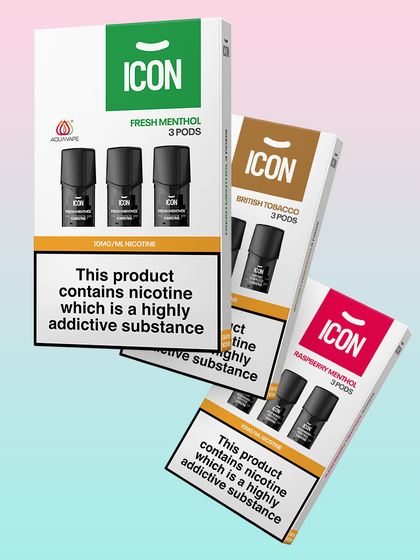
Loose components allow juice to escape through gaps. Ensure all parts are tightened after each refill or coil change. Some kits and pods use magnetic components or latches, so make sure everything is securely fitted together. If you notice any looseness or lifting, remove and reassemble the parts. Also ensure your pod or tank is fully compatible with the vape device you’re using.
Why Is My Vape Pod Leaking from the Bottom?
Bottom leaking happens when e-liquid enters the airflow system or connection area of the device and is then able to escape through the lowest exit points, usually the airflow vents or base contacts. In pod systems, the airflow path runs through the same internal chamber as the coil, which means any excess liquid or build-up in this area can eventually find its way out of the bottom of the device.
One of the main causes is coil flooding (oversaturation). When the wick cannot vaporise e-liquid at the same rate it is being supplied, excess liquid collects in the coil chamber. During use, airflow and suction can draw some of this excess into the air channel, while any remaining liquid that is not vaporised can settle in the chamber and gradually migrate downward over time.
Condensation inside the airflow system is another contributing factor. As vapour passes through the device, a portion naturally cools and returns to liquid form along the inner walls of the airflow tube. This build-up slowly accumulates and, due to gravity, collects at the lowest point of the device, eventually exiting through the base or airflow vents.
Internal pressure fluctuations can also move liquid through the system. When the device heats during use, air expansion can push liquid away from the coil area, while cooling creates a slight vacuum effect that can draw liquid back into the airflow structure. Over repeated cycles, this can encourage gradual movement of liquid into areas where it can escape.
Device orientation also plays a role. When a pod is stored on its side or upside down, gravity allows e-liquid to continuously feed into the coil and airflow entry points. Even without overfilling, this prolonged exposure can saturate the airflow system and increase the likelihood of liquid reaching the base vents.
Finally, prefilled pods can experience leakage due to pressure imbalance from manufacturing and transport. Changes in temperature or altitude can shift internal pressure and move small amounts of liquid into the airflow system. Once the pod is in use or warms up, this trapped liquid can then be released through the bottom airflow openings.
Why Is My Vape Leaking Juice in My Mouth?
Experiencing vape juice in your mouth is usually the result of excess e-liquid entering the airflow system faster than it can be vaporised. When this happens, small droplets can travel through the airflow path and reach the mouthpiece during inhalation, especially if the coil chamber is already saturated.
One of the most common causes is coil flooding, where too much liquid builds up in the wick and coil area. This can happen if the pod is overfilled, left unused for a period, or if the device is held at an angle that encourages liquid to pool around the coil. Once oversaturated, the coil cannot efficiently vaporise all incoming liquid, allowing excess to be pulled into the airflow during a draw.
How you inhale also plays a big role. Taking very strong or sharp draws can pull more liquid into the coil chamber than it can vaporise in real time. This increases the chance of unvaporised droplets being carried into the airflow path instead of being fully turned into vapour.
Device performance settings can also contribute. If the wattage is too low, the coil may not reach a high enough temperature to properly vaporise the liquid. Instead of turning fully into vapour, more liquid remains in a partially heated state, increasing the likelihood of spitting or seepage into the airflow system.
E-liquid consistency is another factor. Thinner liquids (higher PG) travel through the wick more quickly, which can overwhelm certain coils and lead to oversaturation. Conversely, an incompatible VG/PG balance for your device can disrupt how evenly the coil absorbs and vaporises liquid.
Coil condition also matters. As coils age, the wick structure degrades and becomes less efficient at controlling liquid flow. This can lead to uneven heating, poor vaporisation, and excess liquid being carried into the airflow channel.
Addressing these issues usually comes down to keeping a balance between liquid flow and vaporisation speed. When the coil, liquid, airflow, and power settings are working in harmony, the chances of e-liquid reaching the mouth are greatly reduced.
How to Fix a Leaking Vape: Step by Step Solutions
Fixing a leaking vape involves a few straightforward steps. First, identify where the leak is coming from.
- Start by wiping the device so you can clearly see where the leak is happening — whether it’s from the pod, tank, or airflow area.
- Next, check that everything is fitted correctly. The pod, coil, and tank should all sit securely with no gaps or movement.
- Remove and reseat the coil or pod if needed, as even a slightly misaligned fit can break the seal and cause leaking.
- Inspect seals and O-rings for any damage. If they look worn, flattened, or split, replacing them is often the quickest fix.
- Clear out any excess liquid or condensation from the airflow path, as build-up in this area can continue to cause leaks even after reassembly.
If the issue continues, review your e-liquid. Some devices simply perform better with certain VG/PG ratios, so a mismatch can contribute to leaking.
Preventing Vape Juice Leaks: Pro Tips for Vapers
Most leaks can be avoided with a few simple habits.
- Store your vape upright when not in use. This helps stop e-liquid slowly moving into the airflow system.
- Avoid exposing your device to extreme heat or cold, as temperature changes can affect how the liquid behaves inside the tank.
- Make sure you’re using the correct e-liquid for your device, as the wrong consistency can gradually lead to leaking over time.
- Use smooth, steady draws rather than sharp or forceful inhales, which can disrupt the balance inside the coil chamber.
- Keep your device clean with occasional quick maintenance to prevent residue or liquid build-up in the airflow system.
- Check seals and connections periodically so small wear doesn’t turn into bigger issues later on.
When to Replace or Repair Your Vape Device
Sometimes, a leaking issue signals a bigger problem. Knowing when to repair or replace your device is key to maintaining performance. Often, persistent leaks may indicate severe wear or damage.
Consider these factors to decide if it's time for a new device:
- Cracks or extensive damage in the tank
- Frequent malfunctions despite fixes
- Outdated or non-compatible components
When continuous repairs aren't enough, or your device becomes unreliable, it might be time for an upgrade. Investing in a new vape can offer better features and enhance your overall experience. It might simply be that the vape kit doesn’t suit your lifestyle or vaping requirements.
Conclusion: Leak-Free Vaping for a Better Experience
Most vape leaks can be traced back to fit, wear, or simple setup issues. Once these are sorted, the device usually performs much more reliably.
With the right maintenance and a properly matched setup, leaking can be kept to a minimum and vaping stays smooth and consistent.
Leave a comment