How Many Puffs a Day Is Normal?
April 16, 2026

Quick Answer
There’s no fixed “normal” number of puffs per day. Most vapers fall into general ranges depending on their device, nicotine strength, and habits.
A simple guide:
- Light users: 10–50 puffs per day
- Moderate users: 50–150 puffs per day
- Heavy users: 150+ puffs per day
What matters most isn’t the exact number, but whether your usage feels controlled and matches your nicotine needs.
For example, I can fit into all three categories depending on the situation. Most of the time I’m a moderate vaper — I enjoy the flavour as well as satisfying cravings. When I’m travelling or at work, I tend to be a light vaper, and that can last throughout the day as I’m used to spacing out my vaping. But on days when I’m bored or short on patience, I can drift into heavier use.
I’ve learned that this isn’t ideal for me, and I can usually feel when I’m overdoing it. That awareness is important — it helps me recognise when my usage isn’t really about need, but habit. From there, I can adjust and bring things back to a level that feels more comfortable and controlled.
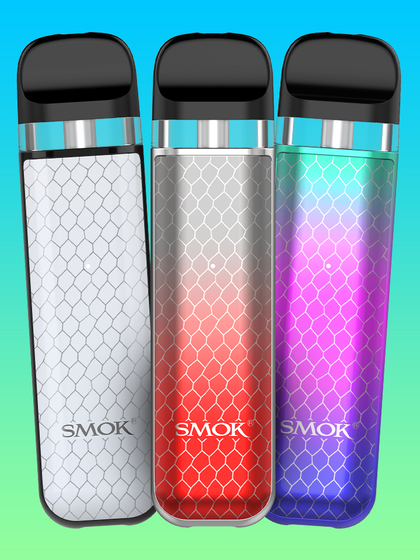
Of course, not everyone falls into the same habits, and for many people vaping is simply an alternative to smoking. If you’re transitioning, it’s usually best to start light with a simple, beginner friendly vape kit — something like an MTL (mouth to lung) pod kit. These are designed to feel closer to smoking and you can tailor your vape with tobacco or menthol flavours that help replicate the familiar sensation. For new vapers, especially those coming straight from cigarettes, vaping can feel a bit harsh at first. You might cough or find certain flavours — like fruity or dessert blends — overwhelming. That’s completely normal. It doesn’t mean you won’t enjoy them later; it’s often just your body adjusting after years of smoking a particular satisfying taste.
It’s also worth remembering why you made the switch in the first place. Smoking exposes you to tar and harmful chemicals, and moving to vaping is often about reducing that impact while managing nicotine cravings. Giving yourself time to adjust, starting simple, and finding what works for you makes the transition much smoother, and you’ll find your own rhythm for how many puffs you might need to balance your beginning and future cravings.
Understanding Puff Count
A “puff” is simply one inhale from your vape. Daily totals vary because people use their vape kits in different ways — some take a few puffs occasionally, while others vape regularly throughout the day.
That’s why puff count isn’t a fixed standard. It’s shaped by how, when, and why you vape.
If you’ve ever checked your puff counter and been surprised, you’re not alone. A lot of newer model kits track usage, and it’s common for numbers to creep up without you noticing — especially if you’re taking short, frequent puffs.
Puff Ranges: Light, Moderate, and Heavy Use
Most vaping habits fall into three broad categories.
- Light vapers (10–50 puffs/day) tend to vape occasionally, often to manage cravings or in social situations.
- Moderate vapers (50–150 puffs/day) use their device more regularly, often as a replacement for smoking.
- Heavy vapers (150+ puffs/day) vape frequently throughout the day. This is more common with lower nicotine strengths or habitual use.
These aren’t strict limits — just useful benchmarks to help you understand where you sit.
What Affects How Many Puffs You Take?
Your puff count isn’t random. It’s influenced by a few key factors that work together.
Nicotine strength is one of the biggest influences. Higher nicotine usually means fewer puffs, because each inhale satisfies cravings more quickly. Lower nicotine tends to increase puff count, as you naturally take more to reach the same level of satisfaction.
Device type also plays an important role. Smaller pod kits tend to deliver more controlled, efficient puffs, which often leads to lower overall usage. More powerful vape kits produce larger clouds and a stronger inhale, which can reduce the number of puffs needed, but may encourage longer or more frequent sessions.
On top of that, habit and routine have a big impact. Many people vape without thinking during breaks, while scrolling, or when relaxing, which can increase puff frequency without them realising. Because of these factors, two people can have very different puff counts but still end up with a similar level of nicotine intake and satisfaction.
Signs of Over-Vaping
Because there’s no set “normal”, the better question is whether your usage feels like too much for you personally.
Common signs include throat irritation, headaches, dizziness, or a noticeably increased heart rate. These are often linked to higher nicotine intake or frequent use without enough breaks.
It’s also worth noting that stress and anxiety can play a big role here. Some people find themselves vaping more when they feel anxious, stressed, or overwhelmed, as nicotine can give a short-term sense of relief. However, this effect doesn’t usually last, and in some cases frequent nicotine use can contribute to a cycle where cravings and anxiety feed into each other, leading to more frequent puffing over time.
If you notice these patterns regularly, it may be worth adjusting your habits — either by reducing puff frequency, reviewing your nicotine strength, or looking at when and why you tend to vape.
How to Reduce Your Puff Count
Reducing your puff count can lead to a healthier vaping habit. It's important to approach this with thoughtful strategies.
Start by gradually lowering your nicotine levels. Switching to lower nicotine e-liquids can naturally reduce the need for frequent puffs.
Here are some tips to help you reduce your puff count:
- Lower Nicotine Strength: Opt for e-liquids with less nicotine.
- Set Daily Puff Limits: Define a maximum puff goal and strive to stay below it.
Another strategy is to increase the intervals between vaping sessions. This can help you resist the immediate urge to vape more frequently.
Consider these additional tactics:
- Distraction Techniques: Engage in activities that take your mind off vaping.
In my experience, when I notice I’m vaping too much in a short space of time, I’ll move my vape to another room and keep myself busy with something more productive elsewhere. The less time I spend thinking about needing a puff, the easier it becomes to go without it — and over time, I start to forget about it altogether.
- Mindful Vaping: Focus on every puff to enhance satisfaction without increasing quantity.
When I feel a craving, I pause and ask myself if I actually need a puff. If the urge is still strong, I’ll have one — I don’t punish myself. I’m just more conscious of my intake and the habit, focusing on why I want a puff rather than acting on muscle memory.
Support from friends or vaping communities can also motivate you. Discussing challenges and progress can provide encouragement and new ideas.
When to Seek Professional Advice About Vaping Habits
It's wise to seek professional guidance if vaping affects your health or well-being. Recognizing when to reach out can lead to better outcomes.
Consider seeking advice if you:
- Experience persistent cough, dizziness, or chest pain.
- Notice increased dependency or difficulty reducing usage.
- Want help managing your nicotine intake or quitting entirely.
Consulting a healthcare provider can provide insights and tailored advice. They can guide you toward healthier habits and address potential concerns.
There’s no exact match, but a rough guide is that around 10–15 puffs on a higher-strength vape (e.g. 20mg) can feel similar to one cigarette. This varies depending on your device, puff length, and nicotine strength.
Device type, boredom, patience, nicotine strength, and individual preferences are key factors. Each impacts how often you might feel the need to vape.
For most people, 100 puffs a day is considered light to medium use. If you feel comfortable and it’s helping you stay off cigarettes, it’s generally fine. What matters more is how your body responds rather than the number itself.
Many modern vape kits include built-in puff counters that can be reset daily. If your device doesn’t have one, you can estimate usage by tracking how quickly your e-liquid runs out.
Yes, but it works best if you reduce nicotine gradually. Dropping too quickly can lead to more frequent puffing to compensate. Slower, more controlled puffs can help maintain balance while reducing intake.
Signs of overuse can include dizziness, headaches, nausea, dry mouth, or trouble sleeping. These usually indicate your nicotine intake may be too high or too frequent.
Conclusion
There isn’t a universal “normal” when it comes to vaping. Puff count varies from person to person, and that’s expected.
What matters is whether your usage feels balanced, keeps cravings under control, and fits your goals — especially if you’re using vaping as an alternative to smoking. It should never transition to one addiction to another — remember your goal and reason for vaping.
If your puff count feels high, it’s usually a sign to adjust how you vape, not a reason to worry about the number itself. Keeping things consistent, aware, and manageable is what makes the difference.