TRPR / TPD UK Regulations Explained
By Guy Hurley
Jun 16, 2026

Understanding TRPR / TPD UK regulations is essential for anyone buying, selling, or importing vape products in the UK. These laws define what is legally allowed on the UK vape market and are enforced under strict government and MHRA oversight.
This guide explains the Tobacco Products Directive (TPD) and the Tobacco and Related Products Regulations 2016 (TRPR) in clear terms, including nicotine limits, tank restrictions, MHRA notification requirements, packaging laws, and what makes a vape product legally compliant in the UK in 2026.
Official UK Vape Law Sources
UK vape regulations are defined and enforced through government legislation and regulatory bodies. You can review the official sources below:
- Tobacco and Related Products Regulations 2016 (UK Law)
- UK Parliament Research Briefing: E-cigarette regulation
- UK Government Packaging and Labelling Requirements
Quick Summary: UK TPD / TRPR Vape Regulations (2026)
A vape product is only legal in the UK if it complies with TRPR (Tobacco and Related Products Regulations 2016), which implements the EU Tobacco Products Directive (TPD) into UK law.
- Maximum nicotine strength: 20mg/ml (2%)
- Maximum nicotine e-liquid bottle size: 10ml
- Maximum tank / pod capacity: 2ml
- Mandatory MHRA notification before sale
- Child-resistant and tamper-evident packaging required
- Nicotine warning must cover 30% of packaging
- Banned or restricted ingredients include caffeine, taurine, vitamins, and diacetyl
What Are TPD and TRPR?
What is TPD?
The Tobacco Products Directive (TPD 2014/40/EU) is a European Union directive introduced to standardise the regulation of tobacco and vaping products across member states.
It sets safety standards covering nicotine strength limits, product testing, emissions reporting, packaging rules, and mandatory health warnings.
Although the UK has left the EU, these regulatory principles continue to influence UK law through retained legislation.
What is TRPR?
The Tobacco and Related Products Regulations 2016 (TRPR) is UK law that implements TPD requirements into domestic legislation.
TRPR remains the primary legal framework governing vape product manufacturing, importation, and retail sale in the UK.
It ensures all vape products meet strict safety, labelling, and notification requirements before entering the UK market.
TPD vs TRPR
- TPD: Defines regulatory standards
- TRPR: Enforces those standards in UK law
Together they form the foundation of UK vape regulation compliance.
What Does “TPD Compliant” Mean?
A TPD compliant vape product is one that meets all UK TRPR legal requirements and is approved for sale in the UK market.
To be legally compliant, products must:
- Not exceed 20mg/ml nicotine strength
- Use tanks and pods limited to 2ml capacity
- Sell nicotine e-liquid in bottles of 10ml or less
- Use child-resistant and tamper-evident packaging
- Display mandatory nicotine warning labels
- Be submitted through MHRA notification before sale
Any product not meeting these requirements cannot be legally sold in the UK.
UK Vape Law Timeline
- 2014: EU Tobacco Products Directive introduced
- 2016: UK implements TPD via TRPR legislation
- 2020 – 2024: UK retains TRPR post-Brexit
- 2025: Disposable vape ban introduced (separate environmental & youth legislation)
- 2026: TRPR remains core UK vape regulatory framework
- Ongoing: Regulatory enforcement continues to evolve under the UK Tobacco and Vapes Act UK Tobacco and Vapes Act overview
Core Legal Standards for Vapes and E-Liquids in the UK
1. Hardware Limits
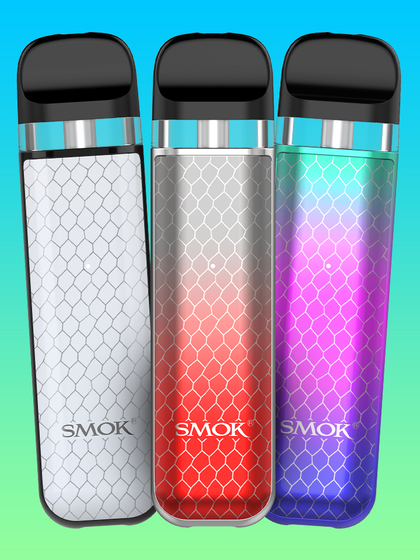
All vape devices sold in the UK must comply with a maximum tank or pod capacity of 2ml. This applies to pods, tanks, and vape kits.
2. Nicotine Strength and Bottle Size
UK regulations limit nicotine strength and e-liquid bottle size to reduce risk and improve safety standards.
- Maximum nicotine strength: 20mg/ml (2%)
- Maximum nicotine bottle size: 10ml
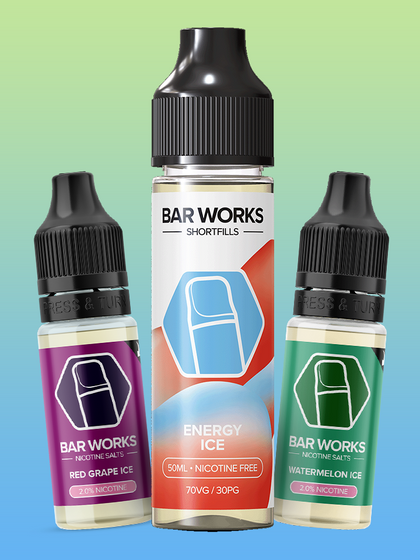
Larger shortfill bottles are sold without nicotine, allowing users to add regulated nicotine shots separately while remaining compliant.
3. Ingredient Restrictions
All e-liquids must pass safety and emissions testing before approval.
- Caffeine and taurine are not permitted
- Vitamins marketed as health benefits are prohibited
- Colourings that alter vapour are restricted
- Diacetyl and similar high-risk ingredients are banned
MHRA Notification Requirements
Before any vape product can be legally sold in the UK, it must be submitted to the MHRA (Medicines and Healthcare products Regulatory Agency).
These compliance frameworks sit alongside broader UK regulatory changes affecting both product approval and taxation structures, including ongoing vape duty reform discussions.
Manufacturers must provide:
- Full ingredient listings
- Toxicology assessments
- Emissions testing data
- Nicotine delivery information
- Packaging and labelling details
Products not notified to MHRA are not legally permitted for sale in the UK.
Packaging and Labelling Requirements
All nicotine-containing vape products must meet strict UK packaging laws.
- Child-resistant packaging
- Tamper-evident seals
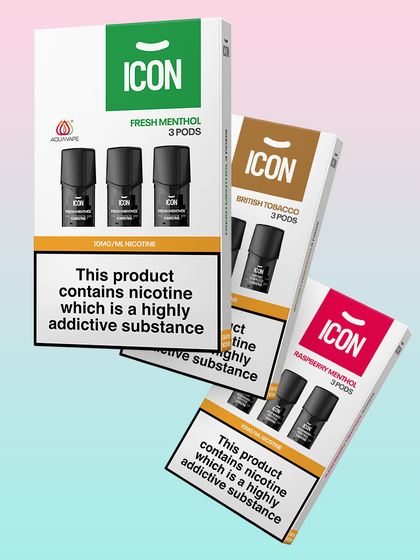
- Mandatory warning: “This product contains nicotine which is a highly addictive substance.”
- Warning must cover at least 30% of packaging
Why UK Vape Regulations Exist
These regulations are designed to improve safety, product consistency, and consumer protection across the UK vape market.
- Clear ingredient transparency
- Controlled nicotine exposure
- Potential future pricing impacts linked to UK vape duty reform discussions
- Child-safe packaging standards
- Pre-market safety checks via MHRA
- Protection against unregulated imports
- Market stability and pricing structure influenced by upcoming UK excise duty proposals
- UK Vape Tax Increase (2026) Explained provides further detail on potential pricing changes
UK Vape Laws for Retailers
Retailers are responsible for ensuring all products comply with TRPR and MHRA requirements before sale.
Failure to comply may result in enforcement action, fines, or product seizure by Trading Standards. These enforcement powers are further reinforced under the evolving UK Tobacco and Vapes Act framework.
Import Rules
Imported vape products must meet UK regulations even if they are legal in other countries.
Differences in nicotine limits, tank and pod sizes, and packaging often make overseas products non-compliant.
Advertising Restrictions
- Television and radio advertising is restricted
- Cross-border digital advertising is limited
- Health or medical claims are not permitted
Frequently Asked Questions (UK Vape Regulations)
What does “TPD compliant” actually mean in the UK?
A product is considered TPD compliant when it meets all UK TRPR legal standards, including limits on nicotine strength, tank or pod capacity, packaging requirements, and successful MHRA product notification before being sold.
Are TRPR regulations still in force in the UK?
Yes. The Tobacco and Related Products Regulations 2016 (TRPR) continue to form the main legal framework governing the sale, manufacture, and import of vape products in the UK.
Can disposable vapes still be sold in the UK?
No. Disposable vapes are no longer permitted for sale in the UK following legislation introduced in 2025, separate from the TRPR framework itself.
What does MHRA notification mean for vape products?
It refers to the legal requirement for manufacturers to register vape products with the Medicines and Healthcare products Regulatory Agency before they can be placed on the UK market.
Why is there a 10ml limit on vape liquid bottles?
The restriction is in place to control nicotine exposure levels and reduce the risk of accidental overconsumption, particularly in households where products may be stored.
Which organisations enforce vape laws in the UK?
Enforcement is primarily handled by Trading Standards at a local level, alongside oversight from the MHRA for product compliance and notification requirements.
Is TPD the same as TRPR in the UK?
Not exactly. TPD refers to the original EU-wide directive, while TRPR is the UK legislation that implemented and continues to enforce those regulatory standards domestically.
Leave a comment