How Nicotine Absorption Works
By Guy Hurley
Jun 16, 2026

What Happens After You Take a Puff?
Most people think nicotine's effects come down to the chemical itself. While nicotine is responsible for the sensation, the speed at which it enters your bloodstream plays a huge role in how quickly you feel it.
Whether you're smoking a cigarette, using a vape, placing a nicotine pouch under your lip, or wearing a patch, every product delivers nicotine differently. Some methods work in seconds, while others release nicotine gradually over several hours.
Understanding how nicotine absorption works can help explain why some products feel more immediate than others and why different nicotine strengths and delivery methods produce different experiences.
What Is Nicotine Absorption?
Nicotine absorption is simply the process of nicotine entering your bloodstream after you use a product. Once in the blood, it travels throughout the body and eventually reaches the brain, where it interacts with receptors that influence alertness, concentration, and feelings of satisfaction.
The amount of nicotine that actually reaches your bloodstream is known as nicotine bioavailability. Think of your body as a transport network:
- The lungs provide the fastest route.
- The mouth offers a slower, more gradual delivery.
- The skin delivers nicotine steadily over time.
- The stomach and intestines are the least efficient route because much of the nicotine is broken down by the liver before reaching the rest of the body.
The route nicotine takes determines how quickly you feel its effects.
How Nicotine Is Absorbed Through the Lungs
Smoking and vaping provide the quickest form of nicotine delivery.
When smoke or vapour reaches your lungs, nicotine comes into contact with millions of tiny air sacs called alveoli. These air sacs have an enormous surface area, allowing nicotine to pass rapidly into the bloodstream.
Because nicotine absorbed through the lungs bypasses the liver initially, it reaches the brain remarkably quickly — often within 10 to 20 seconds.
This rapid delivery is one reason why cigarettes and modern pod kits can provide almost immediate satisfaction. If you're using refillable devices, choosing the right nicotine strength and e-liquid type can also affect the overall experience.
How Nicotine Pouches and Gum Work
Not all nicotine products rely on the lungs.
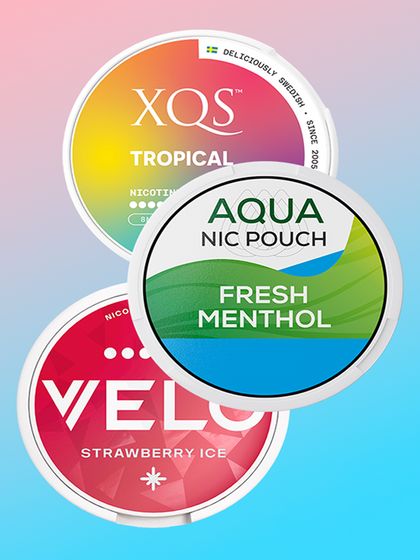
Nicotine pouches, gum, lozenges, and snus deliver nicotine through the soft tissue inside your mouth, known as the oral mucosa.
This process is called buccal absorption and is considerably slower than inhalation. Instead of reaching the brain in seconds, nicotine levels rise more gradually over several minutes.
The pH of the product also affects absorption. A slightly alkaline environment improves nicotine uptake and increases bioavailability.
How Nicotine Patches Deliver a Slow, Steady Release
Nicotine patches work very differently from cigarettes, vapes, or pouches.
Instead of entering through the lungs or mouth, nicotine passes slowly through the skin and into the bloodstream. This process is called transdermal absorption.
Because patches release nicotine gradually over many hours, they provide stable nicotine levels rather than the rapid peaks associated with smoking.
When comparing nicotine patches vs gum effectiveness, patches are ideal for maintaining a steady baseline throughout the day, while gum can provide quicker relief when cravings appear.
What Happens When Nicotine Is Swallowed?
Swallowing nicotine is surprisingly inefficient.
Nicotine that reaches the stomach and intestines enters the portal vein and travels directly to the liver. Before it can circulate around the body, much of it is broken down in a process called the first-pass effect.
This means swallowed nicotine has much lower bioavailability than nicotine absorbed through the lungs, mouth, or skin.
This is one reason nicotine replacement products are designed to encourage absorption through the mouth rather than the stomach.
What Happens When Nicotine Reaches the Brain?
Once nicotine enters the bloodstream, it quickly crosses the blood-brain barrier and binds to nicotinic acetylcholine receptors.
This triggers several reactions throughout the body.
Dopamine Release
Nicotine stimulates the release of dopamine, a neurotransmitter associated with reward and pleasure. This contributes to the feelings of satisfaction many users experience.
Adrenaline Release
Nicotine also stimulates the adrenal glands to release adrenaline (epinephrine), temporarily increasing:
- Heart rate
- Blood pressure
- Alertness
- Breathing rate
These effects explain why nicotine often feels stimulating.
How the Body Breaks Down Nicotine
Your body doesn't hold onto nicotine forever.
Most nicotine is metabolised in the liver by an enzyme called CYP2A6, which converts it into cotinine — the primary substance used to measure nicotine exposure in blood and urine tests.
Nicotine has a half-life of approximately two hours, meaning half of the nicotine present in the body is eliminated within that period.
The remaining metabolites are eventually filtered out by the kidneys.
Why Delivery Speed Matters
Different nicotine products deliver nicotine at different speeds.
| Product | Approximate Delivery Time |
|---|---|
| Cigarettes | 10–20 seconds |
| Vapes | Seconds to minutes |
| Nicotine pouches | 5–30 minutes |
| Nicotine gum | 15–30 minutes |
| Nicotine patches | Several hours |
Fast delivery produces rapid rises in blood nicotine levels, while slower methods create a steadier release over time.
Neither approach changes the chemical itself — only how quickly nicotine enters your system.
Freebase Nicotine vs Nicotine Salts
You'll often hear people talk about freebase nicotine and nicotine salts, but what's the difference?
Freebase nicotine was traditionally used in cigarettes and early e-liquids. At higher strengths, it can feel harsh on the throat.
Nicotine salts have a lower pH, making them smoother to inhale at higher concentrations. This is why most disposable vapes and pod kits use nicotine salts.
It's important to note that nicotine salts don't automatically reach the brain faster than freebase nicotine. However, because they allow higher nicotine strengths to be inhaled comfortably, they may make higher nicotine intake easier.
Understanding Nicotine Absorption Can Help You Choose the Right Product
Although nicotine itself remains the same, the way it enters your body can make a big difference to how quickly you feel its effects.
Smoking and vaping provide almost instant delivery through the lungs. Nicotine pouches and gum offer a slower release through the mouth, while patches provide a steady supply throughout the day.
Understanding these differences can help you choose the right product, nicotine strength, and delivery method for your needs.
In all, nicotine absorption comes down to three simple factors:
- How nicotine enters the body.
- How much reaches the bloodstream.
- How quickly it reaches the brain.
The route may change, but the science behind it remains the same.
Understanding how nicotine enters the body can also help people reduce their overall nicotine intake over time. Some users gradually lower nicotine strength or increase the time between sessions to help manage cravings. If you're thinking about reducing your nicotine consumption, our guide on how to cut down on nicotine covers practical strategies for stepping down nicotine levels at your own pace.
Leave a comment